Submit your abstract now and become part of the programme
volume_up volume_off
pause play_arrow Pause Play
ISWA 2027

Shifting systems

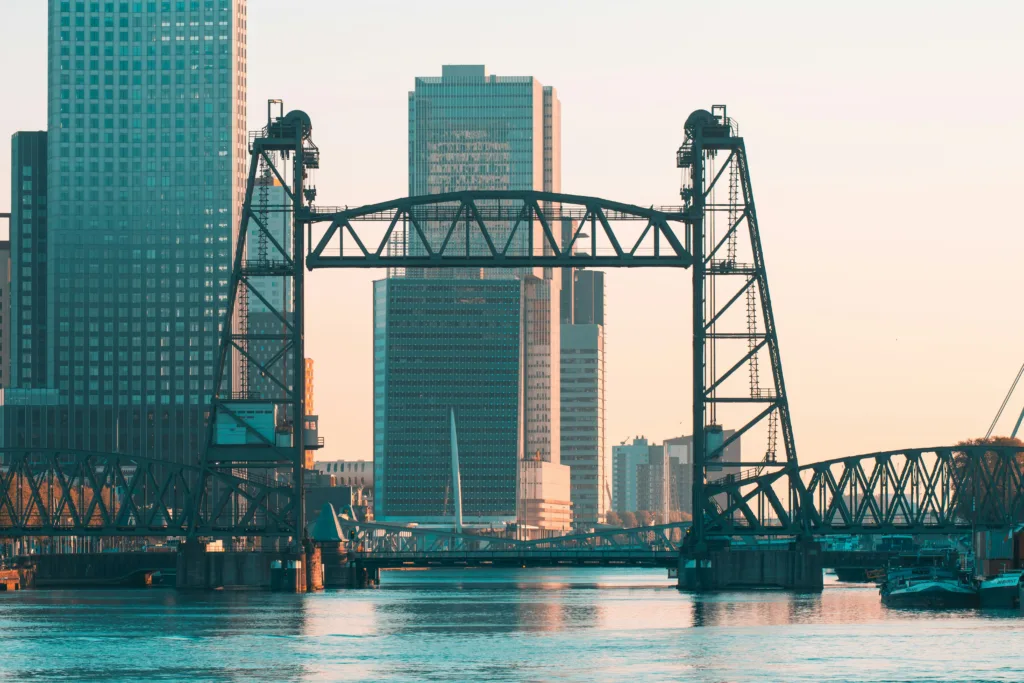
The ISWA World Congress is the most prestigious international congress in the waste and resource management sector. The 2027 edition will be jointly organised by the City of Rotterdam and NVRD and will take place in Rotterdam, the Netherlands.

The central focus of the congress is the transition towards sustainable urban systems. With an estimated seventy percent of the world’s population expected to live in cities by 2050, urban areas will play a key role in advancing circular solutions and integrated resource management.
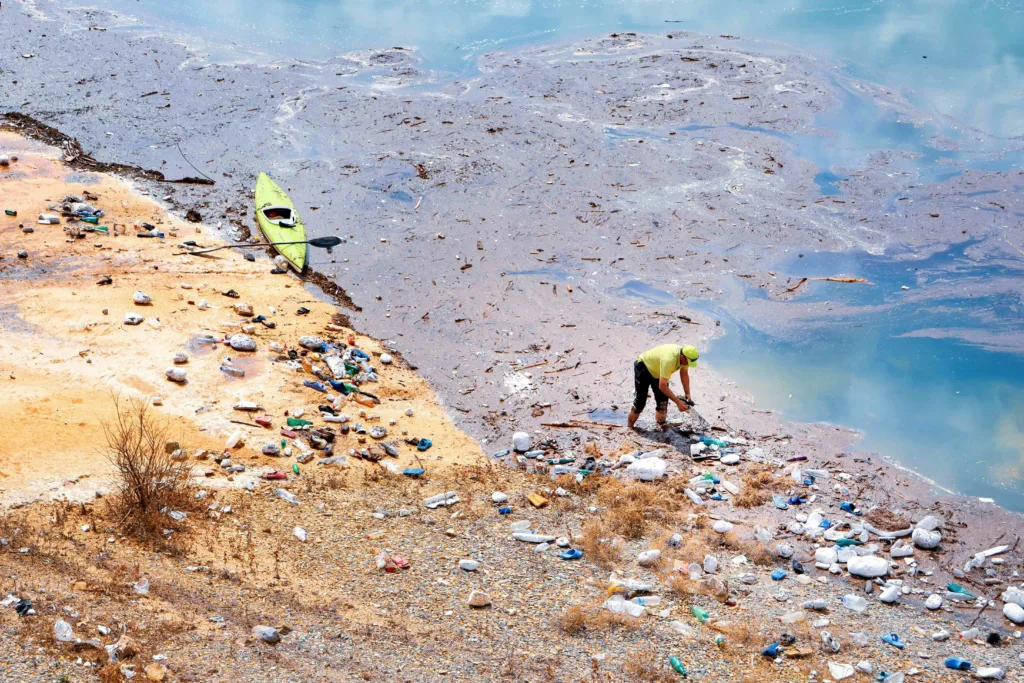
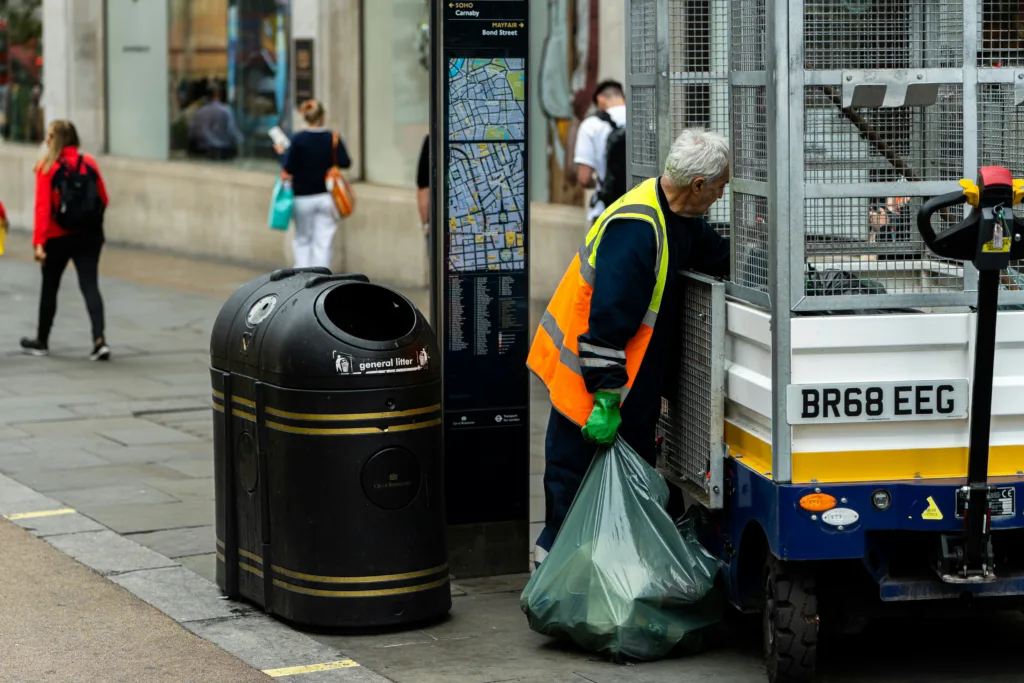
Every urban system has an impact. From waste and water to public space and people, the way we manage resources shapes the city around us.
Cities are built on connected systems. Infrastructure, mobility and materials continuously interact and evolve.
Urban systems depend on everyday action. Collection, reuse and public-space management all play a part in keeping cities moving.
ISWA 2027

Programme

Saturday
25 September
ISWA Scientific and Technical Committee Meeting
ISWA Board Meeting
Sunday
26 September
ISWA General Assembly
ISWA National Members Meeting
Early check-in
Monday
27 September
Registration
Opening and plenary sessions
Parallel sessions/ Site visits 
Welcome drinks
Tuesday
28 September
Plenary sessions
Parallel sessions/ Site visits 
Dinner in Motion
Wednesday
29 September
Plenary sessions
Parallel sessions
Closing ceremony
Thursday
30 September
Site visits 
ISWA 2027

Themes

Creating sustainable urban systems requires an integrated approach to waste and resource management. From waste prevention and collection to resource recovery, circular design, governance and social responsibility, every part of the system plays a role.

The congress programme brings these perspectives together through the following interconnected themes, exploring the challenges, innovations and practical solutions needed to turn ambition into action.
Organics and Biological Resource Management

Organics and Biological Resource Management

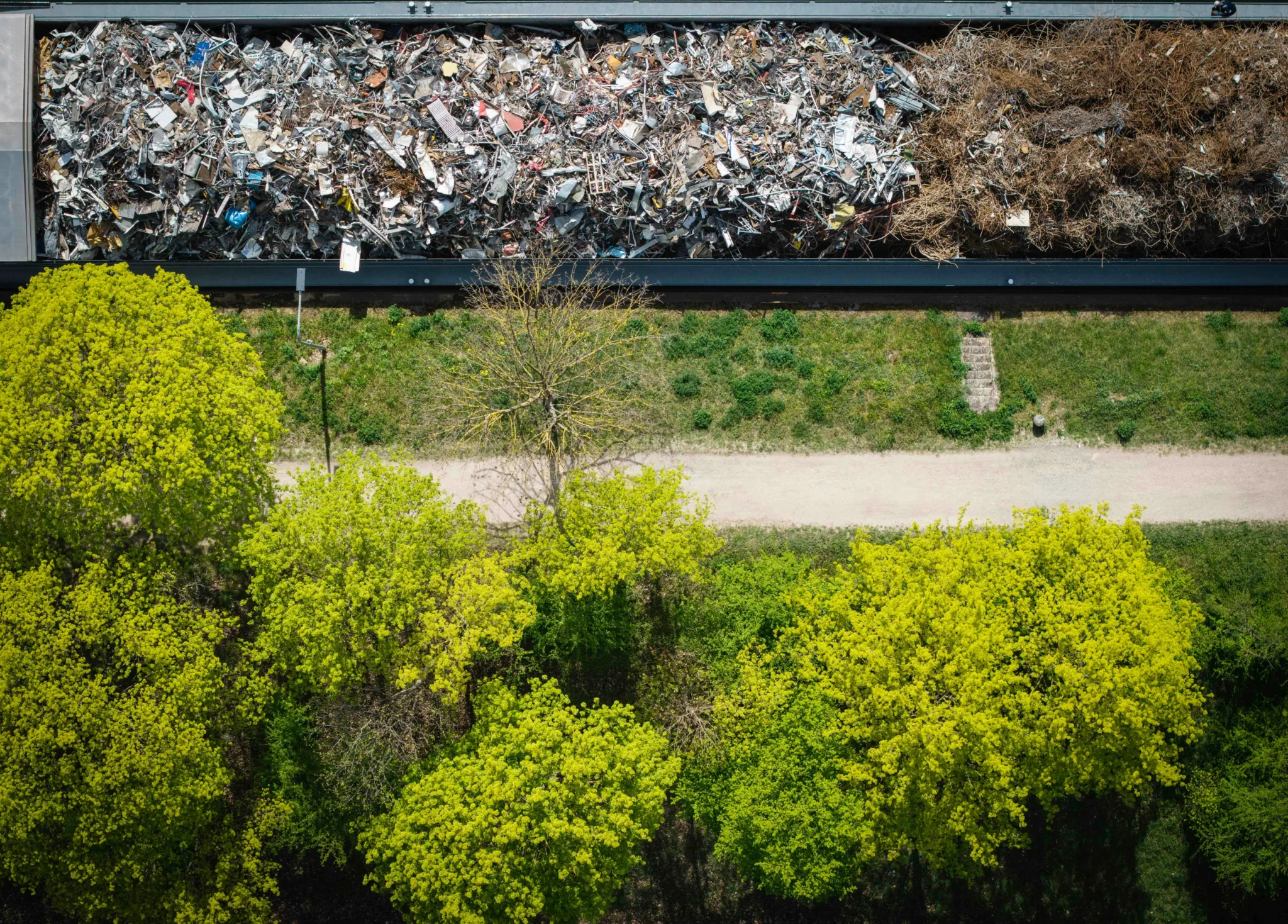
Organic waste management is one of the most urgent urban sustainability challenges. Rapid population growth, global food waste and methane emissions demand scalable, innovative approaches that go beyond traditional composting and energy recovery, while also improving existing practices. This theme sets the tone for circularity at the city scale. It establishes organic waste as both a climate challenge and an opportunity for value creation, food system resilience, and social engagement.

Waste Prevention, Sustainable Collection and Recycling Systems

Waste Prevention, Sustainable Collection and Recycling Systems

As cities densify, waste collection becomes an increasingly visible and complex operational challenge. Waste prevention remains the highest ambition, yet has its limits in current societal and economic realities. As waste streams become valuable resources, separate collection by product type or material puts growing pressure on urban space and governance, while also creating local employment opportunities. Sustainable systems must therefore embrace innovation, efficiency, digitalisation, and behavioural change.

This theme also addresses the transition away from waste mismanagement through stronger basic infrastructure, collection coverage, and inclusive service design. Ending practices such as open dumping and open burning requires accessible and reliable collection and sorting systems, supported by enforcement. Capacity building for municipalities, integration of informal sectors where relevant, and community engagement remain essential to resilient and equitable urban systems that enable circularity from the first step in the chain.

Managing Residual Waste through Energy Recovery and Landfilling

Managing Residual Waste through Energy Recovery and Landfilling

A significant share of residual waste remains unavoidable as regulations, incentives, and markets continue to evolve towards a circular economy. This theme explores how residual waste can be managed responsibly through technological innovation, regulatory adaptation, governance, and planning. It addresses the role of Waste-to-Energy, energy recovery, and landfilling within climate and resource goals, provided they meet high environmental and operational standards.

It also covers safe final disposal, landfill rehabilitation, environmental monitoring, hazardous materials, lithium-ion batteries, fire safety, and the protection of workers and public health. The aim is to ensure that waste which cannot be prevented or recycled is managed in a controlled, transparent, and environmentally sound way.

Governance, Legal Issues, Financing & Ethics

Governance, Legal Issues, Financing & Ethics

Effective waste and resource management is fundamentally a governance challenge. Clear roles, responsibilities, and standards are essential across planning, operations, enforcement, and service delivery. This theme explores the policy, regulatory, and institutional frameworks needed to accelerate circularity, decarbonisation, and decontamination at city scale. It addresses obligations, incentives, taxes, and Extended Producer Responsibility schemes, as well as the financing of infrastructure and services.

It also examines fair cost-recovery models, risk allocation, and investment in innovation and long-term resilience, bringing governance, legal instruments, and financial mechanisms together to make circular ambitions scalable and accountable.

Ethics, Equity & Social Responsibility

Ethics, Equity & Social Responsibility

The transition to circular and climate-aligned urban systems is not only technical or economic, but also ethical. Waste and resource decisions directly affect workers, communities, and future generations. This theme explores ethical dilemmas such as affordability versus ambition, enforcement versus fairness, and rapid transition versus social impact. A central focus is Diversity, Equity and Inclusion (DEI), ensuring that communities are represented, benefits and burdens are shared fairly, and no group is left behind.

It also addresses transparency, integrity, responsible leadership, human rights, safe working conditions, and the protection of vulnerable and informal workers. These principles are essential to building trust, legitimacy, and lasting system change.

Resource Efficiency, Circular Design & Urban Mining

Resource Efficiency, Circular Design & Urban Mining

Cities are vast “urban mines” rich in materials embedded in buildings, infrastructure, electronics, and textiles. As global waste shipment rules tighten, domestic recovery capacity must expand. Best practices of ecodesign, transparency and traceability in production of consumer goods and innovative usage models are covered. This theme looks ahead: designing cities where materials are continuously cycled, operational risks are reduced, and local economies benefit from resource retention.

ISWA 2027

A partnership to drive systemic change 

The City of Rotterdam and NVRD are proud to collaborate with the International Solid Waste Association (ISWA) to bring the 2027 World Congress to life in Rotterdam, the Netherlands.

ISWA’s vision is an Earth where no waste exists, grounded in the belief that everyone has the right to live in a healthy environment with clean air, water, seas and soils.

The City of Rotterdam is working towards a sustainable, circular and climate-resilient city, driven by innovation, collaboration and long-term environmental goals.

The NVRD, together with its members, is working towards a circular society focused on waste prevention and the reuse of resources.